
Mastering Search Engine Keyword Ranking: A Comprehensive Guide to Climbing the SERPs
In the vast digital landscape, visibility is everything. You could have the most beautifully designed website and the most compelling product, but if your target audience cannot find you on search engines, your online presence will struggle to generate meaningful impact. This is where search engine keyword ranking comes into play. It is the cornerstone of Search Engine Optimization (SEO) and the primary metric that determines how easily your website can be discovered by potential customers.
What is Search Engine Keyword Ranking?
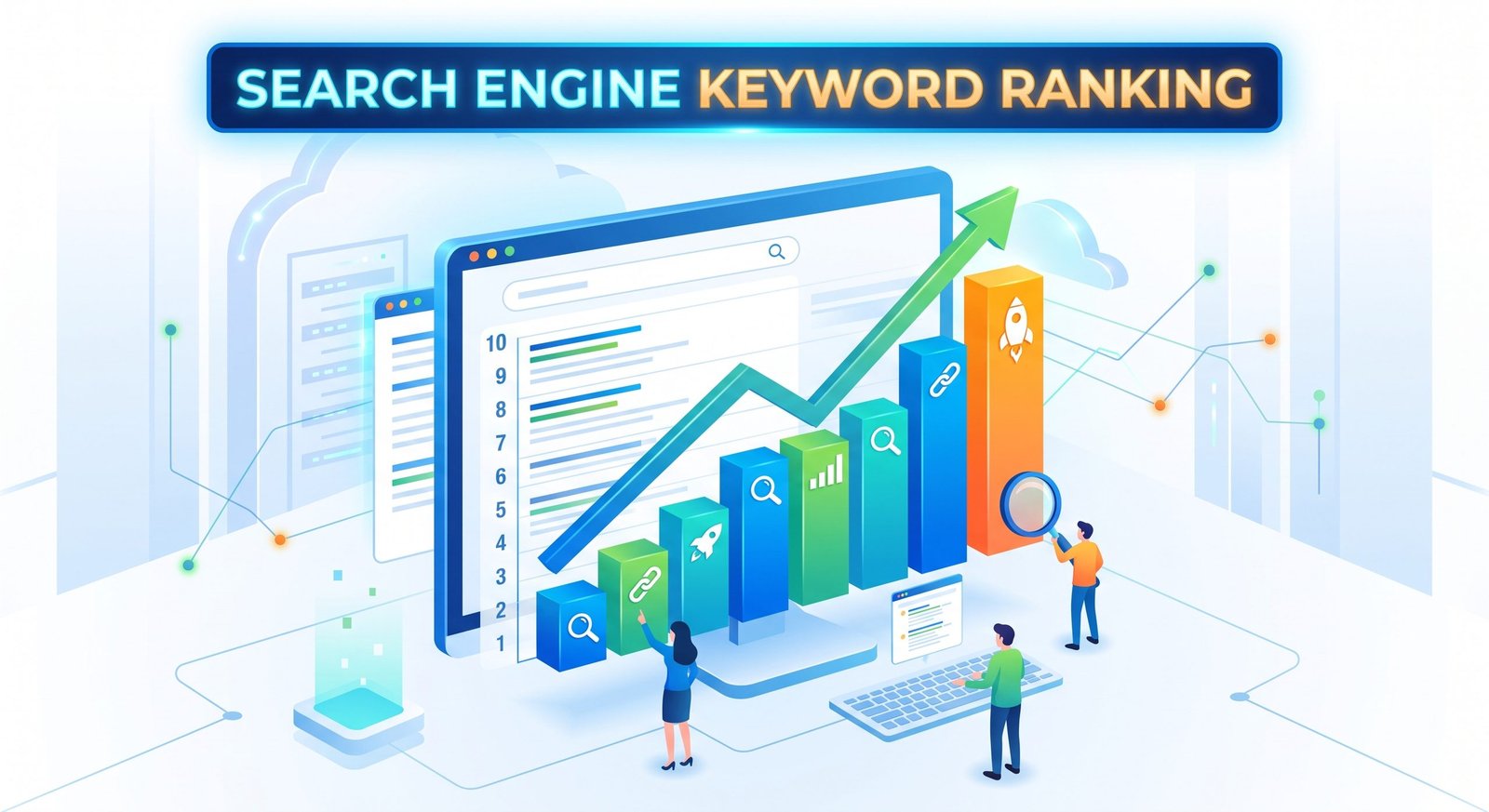
Search engine keyword ranking refers to the specific position your webpage holds on a search engine results page (SERP) for a particular search query or phrase. When a user types a question or topic into Google, Bing, or Yahoo, the search engine’s algorithm evaluates billions of pages to deliver the most relevant and authoritative results.
If your webpage appears at the very top of the first organic results, you have a ranking of #1 for that keyword. If it appears as the third result on the second page, your ranking is #13. The ultimate goal of any SEO strategy is to secure a spot as close to #1 as possible for keywords that are valuable to your business.
Why Does Keyword Ranking Matter?
The importance of keyword rankings cannot be overstated. Here is why tracking and improving your positions is critical for digital success:
- Exponential Traffic Growth: The distribution of clicks on search engines is heavily skewed toward the top results. The #1 spot on Google captures over a quarter of all clicks, while results on the second page receive less than 1%. Higher rankings directly translate to more organic (unpaid) traffic.
- Targeted Audience Acquisition: Ranking for specific keywords means you are connecting with users actively searching for what you offer. If you rank highly for “best running shoes for flat feet,” the traffic you receive is highly qualified and much more likely to convert into sales than a random visitor.
- Brand Authority and Trust: Users inherently trust search engines. When Google places your website at the top of the results, it acts as a tacit endorsement of your brand’s credibility. High rankings establish your business as an authority in your industry.
- Competitive Advantage: Search is a zero-sum game. Every time a competitor outranks you for a valuable keyword, they are capturing potential customers that could have been yours. Monitoring rankings helps you identify competitive gaps and reclaim market share.
How to Track Your Keyword Rankings
Keeping tabs on your keyword rankings manually by typing queries into Google is not only time-consuming but also wildly inaccurate due to personalized search results, location tracking, and your browsing history. To get an objective view of your performance, you need dedicated SEO tools.
- Google Search Console (Free): This is an essential tool provided directly by Google. It shows exactly which search queries are driving traffic to your site, your average ranking position for those queries, and your click-through rates (CTR).
- Dedicated Rank Tracking Software (Paid & Freemium): Tools like Ahrefs, Semrush, and Seobility offer robust rank tracking features. They allow you to input a list of target keywords and monitor your daily ranking fluctuations, compare your positions against competitors, and track performance across different geographic locations and devices.
- Keyword Research Tools: Platforms like WordStream or SE Ranking help you find new keywords and provide insights into keyword difficulty, cost-per-click (CPC) data, and search volume, helping you prioritize which rankings are worth fighting for.
Strategies to Improve Your Keyword Rankings
Climbing the SERPs requires a multifaceted approach. Search engines look for relevance, authority, and an exceptional user experience.
- Target the Right Keywords: Do not just chase high-volume, highly competitive “head” keywords (e.g., “shoes”). Focus on “long-tail” keywords (e.g., “men’s waterproof trail running shoes”). Long-tail keywords have lower search volume but much higher conversion rates and lower competition. Ensure the keyword aligns with the user’s search intent—are they looking to buy, learn, or find a specific website?
- Create High-Quality, Comprehensive Content: Search engines prioritize content that fully answers the user’s query. Create in-depth, well-structured articles, guides, or product pages. Use your target keywords naturally in the title, headings (H1, H2), meta descriptions, and throughout the body text, but strictly avoid “keyword stuffing.”
- Optimize On-Page SEO: Ensure your website’s technical foundation is solid. This includes optimizing image alt text, improving page load speed, ensuring mobile responsiveness, and creating a logical internal linking structure that helps search engines crawl and understand your site hierarchy.
- Build High-Quality Backlinks: Backlinks—links from other reputable websites pointing to yours—act as “votes of confidence” in the eyes of search engines. A strong backlink profile is one of the most heavily weighted ranking factors. Focus on creating linkable assets (like original research or comprehensive guides) and engaging in ethical outreach.
- Monitor and Adapt: SEO is not a “set it and forget it” endeavor. Search algorithms are constantly evolving. Regularly review your ranking reports, identify pages that are slipping, and update your content to ensure it remains fresh, accurate, and better than the competition.
The Future of Keyword Rankings: Enter AI
The search landscape is undergoing a massive shift with the integration of Artificial Intelligence. Features like Google’s advanced search experience via AI Mode, powered by Query Fan-Out, and AI Overviews are changing how results are displayed, sometimes synthesizing answers to user queries directly on the SERP. While this means traditional “blue link” rankings are evolving, the core principle remains the same: creating authoritative, highly relevant content optimized for user intent is the only way to ensure your brand remains visible, whether in a standard organic search result or an AI-generated summary.
By understanding what keyword ranking is, investing in the right tracking tools, and executing a consistent, user-focused SEO strategy, you can steadily climb the SERPs, capture high-quality organic traffic, and establish your brand as a leader in your space.